
.png)
 |
| Moroccan Krichlate Recipe |
Did you know that in Moroccan households, a batch of these little golden biscuits can disappear from the breakfast table faster than the tea can be poured? That's the magic of Moroccan Krichlate — small, soft, sesame-and-anise-scented rolls that Moroccan grandmothers have been baking for generations, long before "artisan bakery" became a trend.
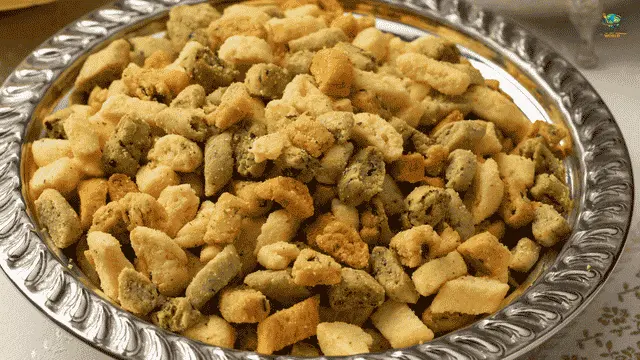
Qrayshlat (sometimes spelled Qrashel or Qarachl, depending on the region) are yeasted biscuits enriched with milk and oil, topped with a generous sprinkle of toasted sesame seeds, and baked until golden. They're not overly sweet on their own, which is exactly why they pair so beautifully with honey, jam, soft cheese, or a warm glass of Moroccan mint tea. If you've ever wondered how to bring a taste of a Moroccan kitchen into your own home, this Qrayshlat recipe is the perfect place to start.
Table of Contents
- What Makes This Recipe Special?
- Ingredients You Need
- Timing
- Step-by-Step Instructions
- Nutritional Information
- Healthier Alternatives
- Expert Tips for Perfect Results
- Common Mistakes to Avoid
- Variations and Substitutions
- How to Store and Reheat
- Serving Suggestions
- FAQ
- Conclusion
What Makes This Recipe Special?
Krichlate sit in a cozy corner of Moroccan baking between bread and cookies. Unlike chebakia (the famous fried, honey-dipped rose-shaped cookies of Ramadan) or ghriba (crackled shortbread cookies), Krichlate are yeast-leavened, which gives them a pillowy, slightly chewy texture instead of a crumbly one.
They're traditionally made for breakfast or an afternoon snack, especially around Eid and family gatherings, when a big platter of them shows up alongside olives, cheese, and tea. The combination of toasted sesame seeds and anise gives them a warm, nutty aroma that instantly makes a kitchen smell like home. And because the dough isn't overly sweet, Krichlate are wonderfully versatile — dip them in honey for dessert, or serve them plain with cheese for a savory-leaning breakfast.
Ingredients You Need
Here's what you'll need for about 20-24 small biscuits:| Ingredient | Amount | Notes |
|---|---|---|
| All-purpose flour | 4 cups (500g) | Bread flour also works for extra chew |
| Fine semolina | 1/4 cup (40g) | Adds a light, slightly grainy texture |
| Active dry yeast | 2 tsp | Or 1 tbsp fresh yeast |
| Sugar | 3 tbsp | Just enough to feed the yeast and add subtle sweetness |
| Salt | 1 tsp | Balances the flavors |
| Anise seeds | 1 tbsp | Toasted and lightly crushed for aroma |
| Sesame seeds | 1/2 cup, divided | Half mixed into the dough, half for topping |
| Vegetable oil | 1/3 cup | Neutral oil like sunflower works well |
| Warm milk | 1 cup (240ml), plus more as needed | Full-fat milk gives the softest crumb |
| Egg (for wash) | 1, beaten | For that beautiful golden shine |
Ingredient notes and substitutions:
- Semolina adds a slightly rustic bite, but if you don't have it, just use all-purpose flour instead.
- Anise seeds are traditional, but fennel seeds make a good substitute if that's what's in your pantry.
- Milk can be swapped for a plant-based alternative like almond or oat milk if needed.
- Sesame seeds should be toasted lightly before use — it makes a noticeable difference in flavor.
Timing
- Prep time: 25 minutes (plus 1.5 hours resting/rising)
- Cook time: 20 minutes
- Total time: About 2 hours 15 minutes
Compared to fried Moroccan sweets like chebakia, which can easily take half a day of shaping and frying, Krichlate come together with roughly 70% less hands-on effort — most of the "work" is just letting the dough rise.
- Servings: 20-24 biscuits
- Difficulty: Easy to moderate (yeast dough, but very forgiving)
- Calories: Approximately 140-160 kcal per biscuit (estimated)
Step-by-Step Instructions
Step 1: Activate the Yeast
In a small bowl, combine the warm milk (not hot — around 100°F/38°C) with 1 tablespoon of the sugar and the yeast. Allow the mixture to rest undisturbed for 8–10 minutes, or until a foamy layer forms on top.
This step confirms your yeast is alive and ready to work, which is the single biggest factor in getting soft, well-risen Krichlate.
Step 2: Mix the Dry Ingredients
In a large bowl, whisk together the flour, semolina, remaining sugar, salt, anise seeds, and half the sesame seeds. Make a well in the center.
Step 3: Bring the Dough Together
Add the activated yeast and oil to the center of the flour mixture. Mix with your hands or a wooden spoon, gradually incorporating the flour from the sides. Add a splash more warm milk if the dough feels dry — you're aiming for a soft, slightly tacky dough, not sticky.
Step 4: Knead Until Smooth
Turn the dough out onto a lightly floured surface and knead until it becomes smooth, elastic, and springy, about 8–10 minutes. This step builds the gluten structure that gives Krichlate their soft, chewy bite, so don't rush it.
Step 5: First Rise
Cover the lightly greased dough in a bowl and leave it in a warm spot for about 1 hour, or until it doubles in size.
Step 6: Shape the Biscuits
Gently deflate the dough, then split it into 20–24 equal portions. Roll each piece into a small ball, then gently flatten it slightly with your palm. Place them on a baking tray lined with parchment paper, spacing them a couple of inches apart.
Step 7: Second Rise and Egg Wash
Cover the shaped biscuits loosely and let them rest for 20-30 minutes, until slightly puffed. Brush the tops generously with the beaten egg, then sprinkle with the remaining sesame seeds, pressing gently so they stick.
Step 8: Bake
Bake in a preheated oven at 375°F (190°C) for 18-20 minutes, until deep golden brown on top. Rotate the baking tray halfway through to help the pastries brown evenly.
Step 9: Cool Completely
Transfer the Krichlate to a wire rack and let them cool before serving. They're delicious warm, but they slice and store better once fully cooled.
Nutritional Information
These figures are approximate and will vary depending on exact ingredients and portion sizes used.
| Nutrient | Amount |
|---|---|
| Calories | ~150 kcal |
| Carbohydrates | ~20 g |
| Protein | ~4 g |
| Fat | ~6 g |
| Fiber | ~1 g |
| Sugar | ~2 g |
Healthier Alternatives for the Recipe
- Swap white flour for whole wheat: Replace up to half the all-purpose flour with whole wheat flour for extra fiber. The texture will be slightly denser but still tasty.
- Reduce sugar further: Since these biscuits aren't meant to be very sweet, you can cut the sugar to 2 tablespoons without affecting the texture much.
- Use a lighter oil: Olive oil is a heart-healthy swap for vegetable oil, though it will add a slightly different flavor note.
- Boost the seeds: Add a tablespoon of flaxseed or chia seeds to the dough for extra omega-3s and fiber.
Expert Tips for Perfect Results
- Don't skip toasting the sesame seeds — raw sesame seeds taste flat, while toasted ones add a warm, nutty depth that defines the flavor of Krichlate.
- Watch your milk temperature. Milk that's too hot will kill the yeast, and milk that's too cool will slow the rise significantly.
- Don't over-flour the dough while kneading. A slightly tacky dough bakes up much softer than a dry, stiff one.
- Time-saving tip: Make the dough the night before and let it do its first rise slowly in the fridge, then shape and bake fresh in the morning.
- For extra shine, add a teaspoon of milk to your egg wash — it gives a smoother, glossier finish.
Common Mistakes to Avoid
- Using expired yeast. If your yeast doesn't foam in step 1, it's likely dead — start over with a fresh packet.
- Overcrowding the tray. Krichlate expand while baking, so give them room, or they'll bake into each other.
- Skipping the second rise. This short rest is what keeps the biscuits soft instead of dense.
- Baking at too low a temperature. A hot enough oven is what gives Krichlate their golden crust while keeping the inside soft.
Variations and Substitutions
- Sweet version: Add an extra tablespoon of sugar to the dough and brush the finished, warm biscuits with a light honey glaze.
- Savory version: Skip the sugar almost entirely and add a pinch of cumin to the dough for a more savory breakfast biscuit.
- Filled Krichlate: Flatten each dough ball a bit more and tuck in a small spoonful of date paste or almond paste before sealing and shaping.
- Gluten-free attempt: A 1:1 gluten-free flour blend can work, though the texture will be a bit less chewy and more crumbly.
How to Store and Reheat
- Room temperature: Store cooled Krichlate in an airtight container for up to 3 days.
- Refrigerator: They'll keep for about a week in the fridge, though the texture is best within the first few days.
- Freezer: Freeze in a single layer, then transfer to a freezer bag for up to 2 months.
- Reheating: Warm briefly in a 300°F (150°C) oven for 5 minutes, or a few seconds in the microwave, to bring back that fresh-baked softness.
Serving Suggestions
Krichlate shine on a traditional Moroccan breakfast spread. Try serving them:- Alongside Moroccan mint tea and a bowl of good olive oil for dipping.
- Split open with a smear of amlou (almond-argan-honey spread) or plain honey.
- With a slice of soft cheese like Laughing Cow or a mild feta for a sweet-savory bite.
- As part of an Eid or brunch table with olives, dates, and orange slices.
Love Moroccan flavors? You’ll definitely want to try this recipe next! The Secret of Msemmen Moroccan Recipe
Frequently Asked Questions (FAQ)
What are Moroccan Krichlate exactly? Krichlate are small, soft, yeasted Moroccan biscuits flavored with anise and topped with sesame seeds, typically served at breakfast or with tea.
Are Krichlate the same as chebakia? No. Chebakia are fried, honey-dipped, flower-shaped cookies eaten mainly during Ramadan, while Krichlate are baked, bread-like biscuits eaten year-round.
Can I make Krichlate without a stand mixer? Yes, this dough is easy to knead by hand and doesn't require any special equipment.
Why didn't my Krichlate rise properly? This is usually due to inactive yeast or milk that was too hot or too cold when mixed with the yeast.
Can I make the dough ahead of time? Yes, you can refrigerate the dough after the first rise for up to 24 hours, then shape and bake when ready.
Are Krichlate sweet or savory? They're mildly sweet on their own, which makes them flexible enough to serve with either sweet toppings like honey or savory ones like cheese.
Can I double this recipe? Absolutely — this dough doubles well; just make sure you have enough tray space for the biscuits to bake evenly.
